
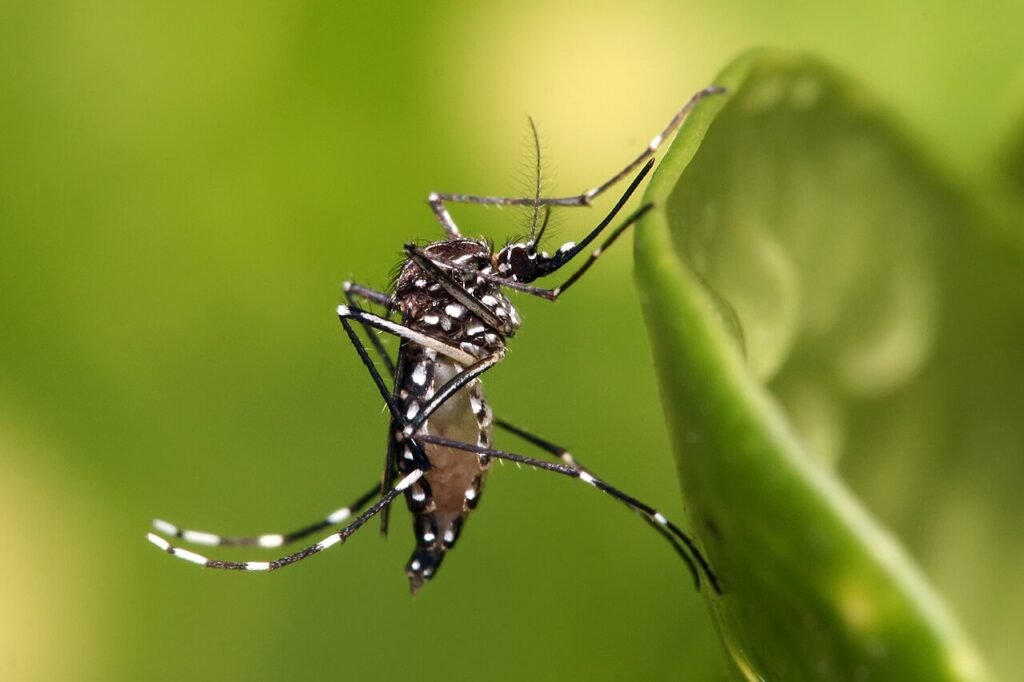
The Aedes aegypti mosquito, the primary vector responsible for transmitting dengue, is seen in this file photo. World Mosquito Day, observed on Aug. 20, highlights the continuing global threat posed by mosquito-borne diseases such as dengue.
Dengue may be a familiar illness in Malaysia, but for people living with chronic conditions, the infection can carry a greater risk of becoming severe, an emergency physician has warned.
Malaysia recorded 56,752 dengue cases as of Aug. 13, 2026, with 49 deaths reported as of Aug. 9, according to Health Ministry figures. The ministry has attributed the rise partly to dengue’s cyclical pattern and a shift in the circulating virus, with DENV-3 now dominant nationwide.
The warning comes as World Mosquito Day was observed on Aug. 20, highlighting the continuing public health threat posed by mosquito-borne diseases.
Consultant Emergency Physician Dr Ganasan Chelladurai said people with diabetes, hypertension, obesity, heart disease and kidney disease may have less physiological reserve to cope with dengue infection.

“The patients I see affected most are often older adults living with obesity and diabetes. When they come to us late, management becomes much more difficult,” he said.

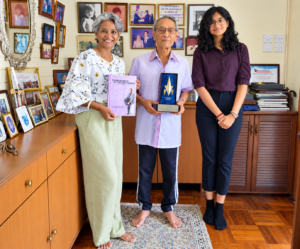
Dr Ganasan Chelladurai, consultant emergency physician, warns that people living with chronic conditions such as diabetes, hypertension and obesity may face a higher risk of severe dengue and should seek medical attention early.
Recent research supports the concern. A 2026 study of hospitalised adults in northern Vietnam found that patients with certain chronic conditions were about twice as likely to develop severe dengue. A separate Brazilian study found that among hospitalised dengue patients aged nine to 45, mortality was substantially higher among those with certain underlying chronic conditions.
The critical phase
Dr Ganasan said one of the most dangerous misconceptions about dengue is that a falling fever necessarily means the patient is recovering.
Dengue typically begins with fever, body aches, fatigue and other flu-like symptoms. But the critical phase can occur around the time the fever subsides, when plasma leakage, bleeding and circulatory problems may develop.
Warning signs include persistent vomiting or diarrhoea, severe abdominal pain, spontaneous bleeding, breathing difficulties, marked weakness, lethargy, confusion, poor appetite or sudden deterioration.
“Do not wait for dengue to look dramatic before taking it seriously,” Dr Ganasan said.
He recalled a young man who arrived at an emergency department exhausted, with vomiting and diarrhoea but no fever.
Only after further questioning did the patient reveal that he had experienced fever three days earlier.
His blood pressure and platelet count were low, and tests confirmed dengue.
Such cases illustrate why patients and families need to pay attention to what happens after the fever breaks, rather than assuming the danger has passed.
When illness meets chronic disease
Chronic illness does not mean that a person will automatically develop severe dengue. However, underlying conditions can complicate the body’s response to infection and make deterioration more difficult to manage.
Dr Ganasan recalled one patient in his early 50s who had diabetes and obesity and was also a smoker.
The man continued working through two days of fever and body aches because he was the sole breadwinner for his family.
By the fourth day, he could barely get out of bed, eat or drink. But he was reluctant to go to hospital because he feared losing his job and the income his family depended on.
He finally sought emergency treatment after vomiting blood.
Despite blood transfusions and intensive care, he died.
For his family, the impact went far beyond the loss of a patient.
His wife was left to care for two young children without savings or a financial safety net.
“She asked me, ‘Doctor, I don’t know how to take care of my children. I don’t know how to move on,’” Dr Ganasan recalled.
The case, he said, demonstrated how a preventable delay in seeking treatment can have consequences that extend across an entire household.
A second infection can be different
For Grace Ooi, 45, dengue became significantly more serious the second time she contracted it.
Ooi, who now lives with diabetes and hypertension, first contracted dengue while in secondary school.
She was infected again in 2013. Her fever rose and fell for almost a week, and she sought medical attention more than once before dengue was diagnosed.
By the time she was admitted to hospital, her platelet count had fallen to single digits. She required a blood transfusion and spent three days in intensive care.
“I didn’t know a second dengue infection could be more severe, or that having hypertension could make things worse,” she said.
Ooi spent her birthday in the intensive care unit rather than with her family. She was away from work for two weeks and worried about the strain her illness placed on her family.
“I wasn’t afraid for myself as much as I was afraid of leaving people behind,” she said.
A previous dengue infection generally provides long-lasting protection against the same dengue virus type, but not necessarily against the other types. A subsequent infection with a different virus type can carry a greater risk of severe disease.
Why DENV-3 matters
The current predominance of DENV-3 in Malaysia does not mean that the virus is inherently more dangerous than the other dengue virus types.
Its significance is partly linked to population immunity.
People who have not previously encountered DENV-3 remain susceptible to it. For someone previously infected with another dengue virus type, a subsequent infection can carry an increased risk of severe disease.
This is distinct from the effect of chronic illness.
In assessing a dengue patient, doctors therefore need to consider several factors, including age, underlying health conditions, previous dengue infection and changes in symptoms and vital signs.
Prevention remains the first line
There is no single measure that can eliminate dengue risk.
Households can reduce mosquito breeding by removing stagnant water, covering water containers and keeping surroundings clean. Repellents, screens and protective clothing can also reduce exposure to mosquito bites.
Community participation is equally important because Aedes mosquitoes can breed in relatively small amounts of stagnant water.
Dr Ganasan said vaccination may provide an additional layer of protection by reducing the risk of dengue illness and dengue-related hospitalisation. People should consult healthcare professionals about whether vaccination is appropriate under current Malaysian guidance.
The broader message for World Mosquito Day is that dengue prevention cannot stop at mosquito control.
For people living with chronic illness, early recognition and timely medical attention can be particularly important.
“Dengue does not affect only the person who falls ill. The cases I have seen show how it can disrupt an entire family — the people caring for the patient, the children who depend on them and the plans they have made together,” Dr Ganasan said.
“That is why prevention matters. It is not one action, and it is not the responsibility of one household or one authority. We each need to prevent breeding, protect ourselves from bites and act early when symptoms appear.” – The Petri Dish/IN Deed Communications