
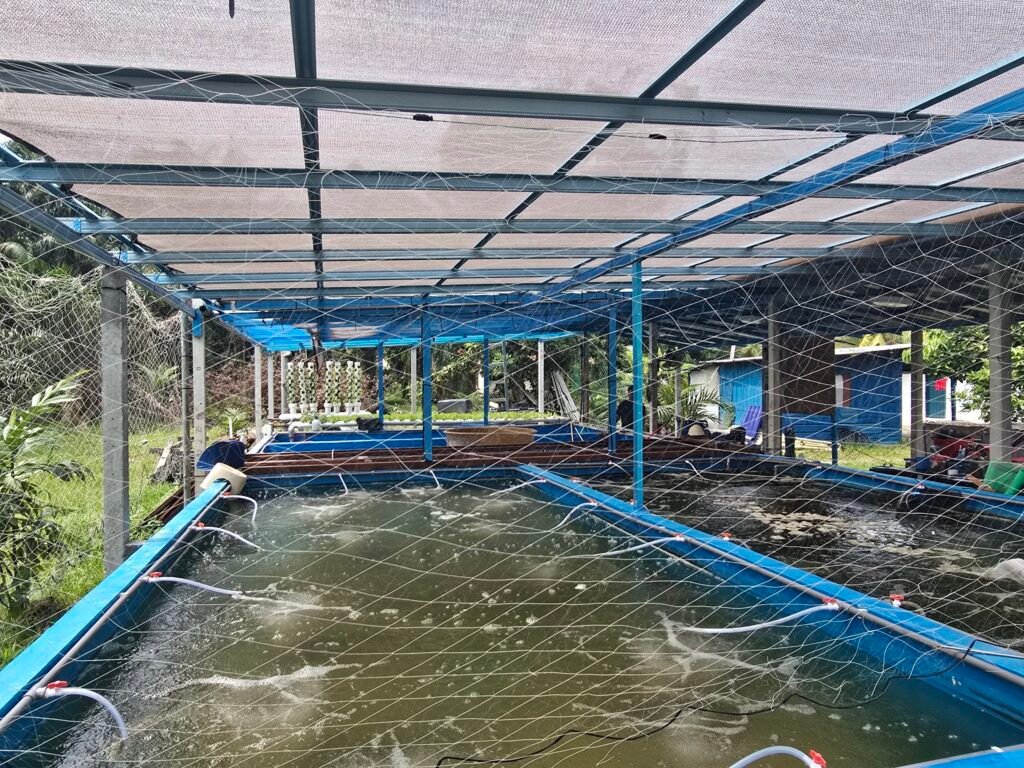
Before fish reaches our dinner table, someone must pay for every pellet it eats.
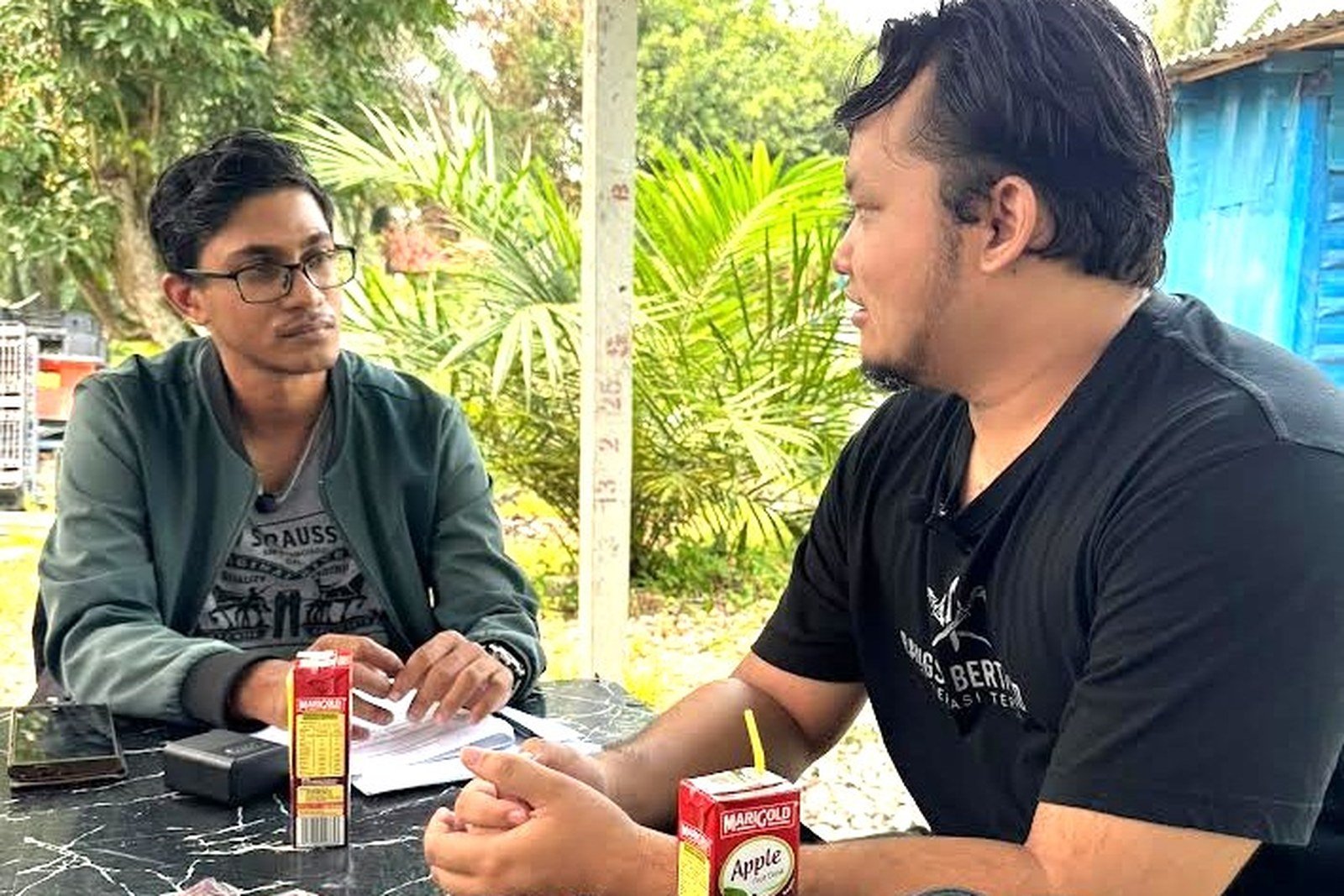
I had understood fish farming through laboratory experiments and discussions about nutrition. But conversations with small-scale farmers in Selangor changed the way I thought about the industry. While I was interested in how fish were raised, the farmers kept returning to a question that was harder to answer: how could they keep feeding their fish when feed was becoming more expensive?
Their concerns stayed with me. A bag of pellets might look ordinary to someone passing through a farm. To the person buying it repeatedly, it represents another expense that cannot easily be postponed.
The Price of Keeping Fish Alive
From the outside, fish farming can look basic. Farmers prepare ponds, stock young fish, provide feed and wait for harvest. Yet every stage involves money, labour and uncertainty. Fish are living animals. They need proper care regardless of market prices. Feed is among the largest recurring expenses in many aquaculture operations. When its price rises, farmers cannot assume the selling price of their fish will rise alongside it. Their profit margins may shrink despite working hard.

During one conversation, a farmer recalled how a 20 kg bag of commercial fish feed that once cost around RM60 had increased to approximately RM80. An additional RM20 might not seem significant at first, but for farmers purchasing feed regularly, the difference can quickly add up. Listening to these concerns made me appreciate how limited their choices could be. For a small business, each decision matters. Money spent on feed is money that must eventually be recovered through a successful harvest. When that harvest is delayed, the pressure can grow.
When Feeding Less Costs More
At first, reducing feed might seem like the obvious response to a suddenly higher bill. We often save money by buying less of something. But fish farming does not always follow that logic. Fish need adequate protein, energy, vitamins and minerals. If they receive too little feed, their growth can slow, extending the time required to reach marketable size. Meanwhile, farmers may continue paying for electricity, labour and pond maintenance.
A saving made today might therefore become a cost tomorrow. Overfeeding creates problems too. Uneaten pellets waste money and can affect water quality. The challenge is to provide sufficient nutrition without unnecessary waste.
This is where science becomes useful. Researchers study feed conversion, growth and dietary requirements to understand how efficiently fish use what they eat. Yet a feeding plan must also work on a real farm, where budgets and circumstances vary.
Could Food Waste Help?
Those conversations led me back to a question central to my own interest in aquaculture nutrition: could alternative ingredients help make feed more affordable?
Take okara, the soybean pulp left after making tofu or soy milk. It is often treated as a low-value by-product, even though it still contains protein and other nutrients. Researchers have explored whether processed okara could form part of balanced fish diets.
The possibility is appealing. Material left over from producing one food could potentially support production of another. But waste is not automatically suitable feed. Fresh okara contains considerable moisture and can spoil quickly. Its fibre and nutritional characteristics also present challenges. Processing methods, including fermentation and enzymatic hydrolysis, may improve some properties, but their benefits depend on how the ingredient is prepared and used.
Most importantly, an alternative diet must support fish health and growth. Cheap ingredients are not genuinely economical if they lead to poor performance. Even sourcing a by-product has costs. Collection, transport, processing and storage can turn an inexpensive material into an expensive product. The question is not only whether an ingredient works, but whether it remains practical and affordable beyond the laboratory.
When Science Meets the Pond
In research, we often measure progress through numbers: fish weight, feed conversion ratios, nutrient composition and experimental results. Those measurements matter. They help us distinguish promising ideas from approaches that may not work. But my conversations with farmers reminded me that numbers are only part of the story.
A formula can perform well in a controlled feeding trial and still be difficult to adopt. Perhaps the ingredients are unreliable, processing equipment is costly, or farmers lack the information needed to use it confidently. The risks also feel different. For a researcher, an unsuccessful experiment can still produce valuable knowledge. For a farmer, an unsuccessful feeding decision could threaten months of work and income.
That difference should shape how innovations are developed. Rather than deciding what farmers need from a laboratory, researchers can begin by listening to the challenges farmers describe. Small changes, such as reducing wasted pellets or improving feeding schedules, may sometimes be more realistic than replacing commercial feed entirely. A useful solution should be nutritionally sound, safe, affordable and manageable for the people expected to use it.
Beyond Our Dinner Plates
Before these visits, sustainability meant improving resource efficiency, reducing waste and identifying alternative feed ingredients. I still believe in those goals. Yet I now see another essential part of sustainability: whether the people producing our food can afford to continue.
Behind every pond is someone making decisions without knowing exactly how the season will end. A healthy harvest can mean another production cycle. An unexpected expense can make that future less certain.
We often talk about food security as consumers, focusing on availability and prices. But the people raising our food deserve a place in that conversation too. I entered these farms curious about fish nutrition. I left thinking more deeply about livelihoods, uncertainty and the responsibility researchers have to listen.
Science cannot remove every financial pressure. It can, however, help develop practical options when it starts with real human needs rather than assumptions. The next time we enjoy a plate of fish, perhaps we should think beyond its price. Somewhere, someone spent months raising it, hoping the harvest would justify the investment.
“Behind every fish on our plates is a person working to make a living. And behind every pellet is a price someone must pay”.
Author: Satya Narayana Rao is a PhD candidate in Marine Science at Universiti Kebangsaan Malaysia (UKM). His research focuses on sustainable aquaculture nutrition, alternative feed ingredients and the utilisation of food-processing by-products. He is participating in The Petri Dish Fellowship Writing Lab.