DALAT, Sarawak: For generations, the Batang Oya River has been a lifeline for communities in Dalat, carrying villagers to farms, sago plantations and neighbouring settlements.
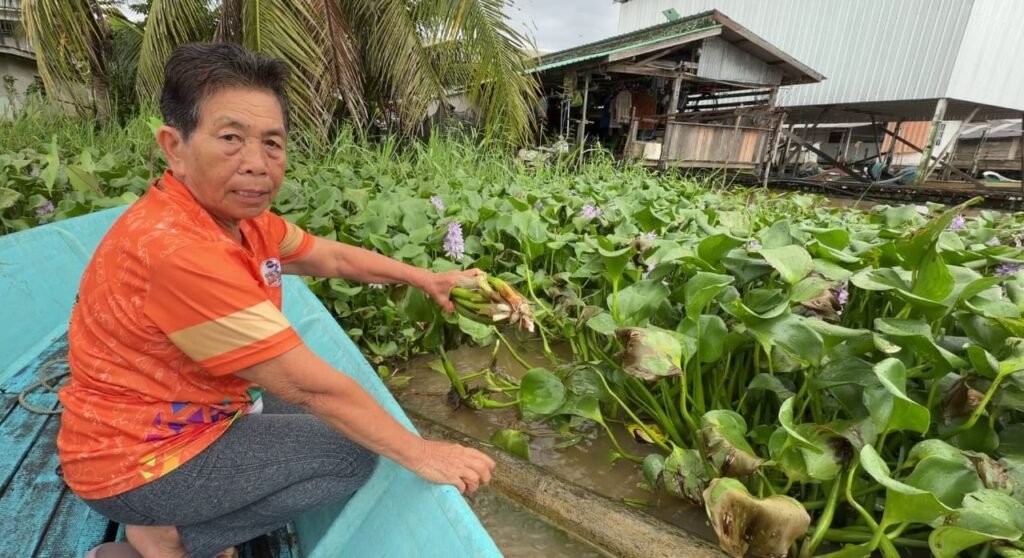
But the same river has also brought an unwelcome passenger.
Thick mats of water hyacinth, known locally as terparok, often drift along the waterways, clogging narrow passages, obstructing boats and gathering around bridges and riverbanks. During periods of heavy rain and flooding, the problem can become even worse as large quantities of the fast-growing aquatic plant are swept downstream.
For villagers who depend on boats for their daily movements, the weeds are more than an eyesore. They can make navigation difficult, damage boat engines and create hazards along the river.
Now, however, Dalat is finding a way to turn the nuisance into a source of income.

Through an initiative by Koperasi Dalat Lestari Bhd, water hyacinths collected from the river are being converted into organic fertiliser and animal feed using Black Soldier Fly (BSF) technology.
The concept is simple: collect a problem from the river, feed it to millions of tiny larvae and turn what was once waste into something useful.
A different way of dealing with waste
The cooperative began exploring BSF technology following discussions with Eddie Leong, who introduced the method of breeding the insects and using them to process organic waste.
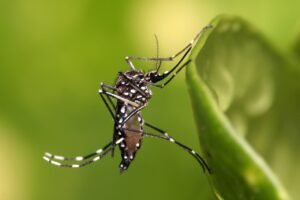
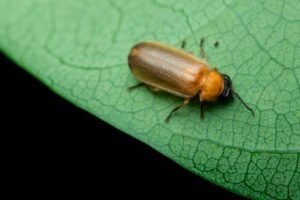
Unlike common houseflies, black soldier flies are considered beneficial insects. Their larvae are efficient decomposers, consuming organic material and producing frass, a nutrient-rich by-product that can be processed into fertiliser. The mature larvae can also be harvested, dried and used as protein-rich feed for chickens and fish.
At the Dalat processing centre, the process starts with the villagers.
The cooperative buys collected terparok at 40 sen a kilogramme. The plants are cleaned, shredded and mixed with palm oil mill waste and other organic materials, including leftover food such as rice and bread.
The mixture is then fed to BSF larvae.
The result is a circular system in which an environmental problem becomes a raw material, while the larvae produce two marketable products — organic fertiliser and animal feed.
Koperasi Dalat Lestari chairman Muhammad Aznie Abdullah said the initiative was conceived to address the water hyacinth problem while creating economic opportunities for residents.
“The presence of terparok has caused major problems for villagers who depend on the river for their daily movement. That was why we looked for a solution that could turn this problem into something useful,” he said.
From housewife to insect farmer
For 53-year-old Rina Asin, the project has also opened an unexpected new chapter.
A former full-time housewife, Rina joined the cooperative with no previous knowledge of BSF technology.
She first attended a three-day training programme in her village before receiving further guidance at the processing centre.
“I started from zero. I did not know anything about this before. Everything I learned came from the training and from those already working here,” she said.
Today, her work includes preparing feed for the larvae, collecting fly eggs and monitoring the breeding process.
For Rina, the number of flies and eggs matters because it directly affects production.
“When there are more flies and more eggs, we can produce more fertilisers,” she said.
She has also seen the problem from the riverbank.
“When terparok accumulate, they become dangerous. They obstruct boats, affect engines and can even damage structures such as bridges. They also become places where crocodiles can hide,” she said.
Villagers become part of the solution
The project has created another small but significant economic opportunity for villagers.
In Kampung Kekan, 53-year-old Nurkhalida Abdullah and her friend, 72-year-old Bedah Pak, collect water hyacinths twice a week.
They do not need to travel far. When the plants drift past their village, they collect and store them before delivering them to the cooperative.
“Sometimes we do not need to go far. If the terparok float past our village, we collect them and keep them ready,” Nurkhalida said.
A single collection can yield between 80kg and 100kg. At 40 sen per kilogramme, regular collections can provide several hundred ringgit in additional monthly income.
The work, however, is not as simple as pulling plants from the water.
The roots have to be removed, damaged leaves discarded and the stems thoroughly washed before the plants are accepted by the processing centre.
“They only accept clean terparok. We remove the roots, remove damaged leaves and wash everything before packing them,” Nurkhalida said.
She remembers when thick mats of the plants made travelling by boat particularly difficult.
“When there are too many terparok, boats cannot move easily. People have to steer around them to avoid getting stuck,” she said.
The weeds have not disappeared, but the project has changed the way villagers look at them. What was once something to remove and leave behind is now something that can be collected, sold and put to work. – The Petri Dish/Sources