SINGAPORE — Beneath the glass towers, expressways and housing estates of one of the world’s most densely urbanised cities, nature continues to reveal its hidden wonders. The recent sighting of the elusive blue-necked keelback at MacRitchie Reservoir is a reminder that Singapore’s forests remain home to extraordinary wildlife that survives alongside the city.
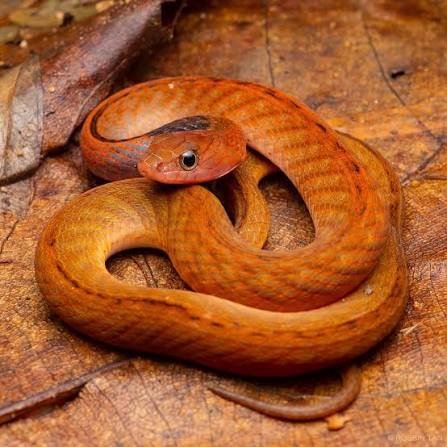
The rare encounter with the blue-necked keelback (Rhabdophis rhodomelas) has excited naturalists and wildlife enthusiasts after photographs of the serpent were shared online.
The sighting, recorded on Aug. 1 along the MacRitchie Nature Trail, quickly drew attention on the Singapore Wildlife Sightings Facebook group, where observers marvelled at the uncommon encounter with one of the island’s more secretive snakes.
Singapore’s National Parks Board (NParks) confirmed the species and reminded the public to admire it from a safe distance. The blue-necked keelback is unusual because it is both venomous and poisonous—a rare combination among snakes. It delivers venom through enlarged rear fangs while also storing toxins in specialised glands on the back of its neck, making it dangerous both to predators and to anyone attempting to handle it.
According to NParks, the species inhabits mature secondary forests, primary forests and swamp forests within the Central Nature Reserves and nearby nature parks.

Dr Alex Figueroa of the Lee Kong Chian Natural History Museum at the National University of Singapore said the snake is typically found near forest streams, where it feeds mainly on frogs, making the observed meal entirely consistent with its natural behaviour.
Wildlife experts stressed that such encounters should be viewed from a respectful distance, particularly while the animal is feeding, as disturbance can cause unnecessary stress and increase the risk of defensive behaviour.
The discovery also highlights the ecological importance of Singapore’s protected forest reserves. Although often described as a modern “concrete jungle,” the city-state continues to support an impressive diversity of native wildlife, from pangolins and flying lemurs to rare reptiles and amphibians that persist within carefully protected pockets of rainforest.
For scientists and conservationists alike, the blue-necked keelback is more than an unusual snake. It is another reminder that biodiversity can flourish even in highly developed cities when natural habitats are protected and allowed to thrive.