
Tuvalu has urged countries attending the United Nations Climate Change Conference (COP31) to keep the global 1.5°C warming target within reach, highlighting the need for stronger climate action and financial support for vulnerable island nations.
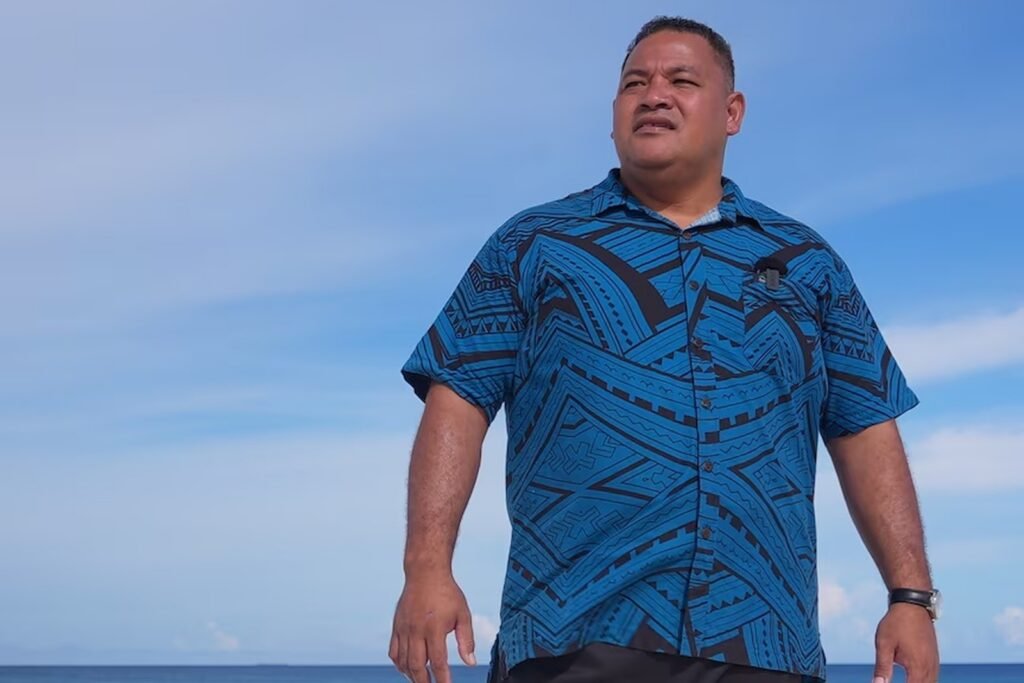
Speaking during an interview at the COP31 Media Lounge in Antalya, Türkiye, on 11 November, Tuvalu’s Minister for Climate Change, Maina Vakafua Talia, said that keeping the 1.5°C target alive remains the country’s main priority. He also stressed that scientific evidence should guide decisions, particularly when discussing the transition away from fossil fuels.
“The 1.5 °C target to stay alive and within reach, it’s our number one goal,” Talia said.
His statement reflects the concerns of Pacific Island countries, which are already experiencing the effects of climate change. For Tuvalu, rising sea levels are a major concern because its islands are low-lying and surrounded by the ocean.
Why is the 1.5°C target important?

The 1.5°C target comes from the Paris Agreement, an international climate agreement adopted in 2015. Countries agreed to work towards limiting the rise in global average temperature to well below 2°C and make efforts to limit it to 1.5°C above pre-industrial levels.
According to the United Nations, every additional increase in global temperature makes climate risks more serious. These include extreme heat, droughts, heavy rainfall and rising sea levels. The difference between 1.5°C and 2°C may sound small, but it can have important effects on people and the environment.
The Intergovernmental Panel on Climate Change (IPCC) explains that small islands face greater risks as global temperatures increase. At higher warming levels, coastal flooding, damage to infrastructure and freshwater shortages become more serious. Limiting warming to 1.5°C instead of 2°C can reduce some of these risks, although it cannot prevent all climate impacts.
This is especially important for Tuvalu. According to Tuvalu’s National Adaptation Plan 2025, sea levels around the country have risen by approximately 0.15 metres over the past 30 years. Under high-emissions scenarios, they could rise by up to one metre by 2100.
Sea levels rise mainly because warming causes seawater to expand and glaciers and ice sheets to lose ice. For low-lying islands, this can increase coastal flooding and allow saltwater to enter freshwater sources. It can also affect homes, roads, food production and people’s daily lives.
During the interview, Talia explained that international leaders had been invited to visit the Pacific before COP31 so they could see the situation themselves. He referred to a visit involving Tuvalu, Fiji and Australia, where more than 30 leaders and ministers had the opportunity to observe the region’s vulnerability.
“They have seen for themselves how vulnerable we are to the issue of climate change related sea level rise,” he said.
He hopes that these experiences will influence discussions during COP31 and encourage countries to take the concerns of Pacific communities more seriously.
Turning climate discussions into action
Talia also spoke about the importance of cooperation between countries. He referred to the Taku Pakasoa Declaration, adopted during the Pacific Pre-COP31 meeting in October 2026.
The declaration highlights the need to keep the 1.5°C target within reach, increase climate finance, strengthen resilience and protect the ocean. It also encourages countries to use scientific evidence when making climate decisions.
Talia said the cooperation between Tuvalu, Fiji and Australia was important because countries do not always share the same priorities during climate negotiations. He also mentioned Singapore, the United Arab Emirates and Türkiye, expressing hope that the experiences shared during the Pacific visit would encourage further cooperation.
However, he explained that it was still too early to know how different countries would approach the negotiations at COP31.
Climate finance remains a challenge
Another major issue raised during the interview was climate finance. This refers to financial support used to help countries reduce emissions and prepare for the effects of climate change.
There are two important parts of climate action: adaptation and mitigation. Adaptation means preparing for climate impacts, such as improving coastal protection and protecting freshwater supplies. Mitigation focuses on reducing greenhouse gas emissions to slow down global warming.
Both are important for Tuvalu, but they require financial support, technology and proper planning. Talia explained that funding is needed to carry out adaptation work while also supporting mitigation efforts.
He expressed concern that climate finance continues to be a difficult issue during international discussions.
“We can continue to sing the same song over and over again that climate finance is difficult,” he said.
He also referred to the Pacific Resilience Facility (PRF), a regional initiative intended to support climate resilience, disaster preparedness and adaptation in Pacific communities. The facility aims to provide more direct support for communities facing climate-related challenges.
Talia stressed that Pacific countries should not have to depend entirely on decisions made by larger economies to protect their future.
“Our future should not be determined by the US or any other countries,” he said.
His comments highlight the importance of making climate funding more accessible, particularly for smaller countries that have limited resources to respond to climate-related problems.
What happens after COP31?
COP31 is being held in Antalya, Türkiye, from 9 to 20 November 2026. Countries are discussing ways to reduce greenhouse gas emissions; support communities affected by climate change and increase financial assistance for vulnerable nations.
For Tuvalu, the main concern is whether these discussions will lead to real action. Keeping the 1.5°C target within reach requires countries to reduce emissions, move away from fossil fuels and provide financial support to communities already experiencing climate impacts.
Talia hopes that the experiences of Pacific Island communities will remain part of the discussions throughout the conference.
His message is that climate change cannot be addressed through promises alone. Countries need to work together, follow scientific evidence and provide the resources needed to protect communities facing the effects of a changing climate.
Author: Safia Rahim Rabata is studying Medical Biotechnology at Sunway University. She is participating in The Petri Dish Fellowship Writing Lab.