What began as one father’s search for safe food for his child has grown into a small but promising example of how local agriculture, food innovation and community livelihoods can work together.
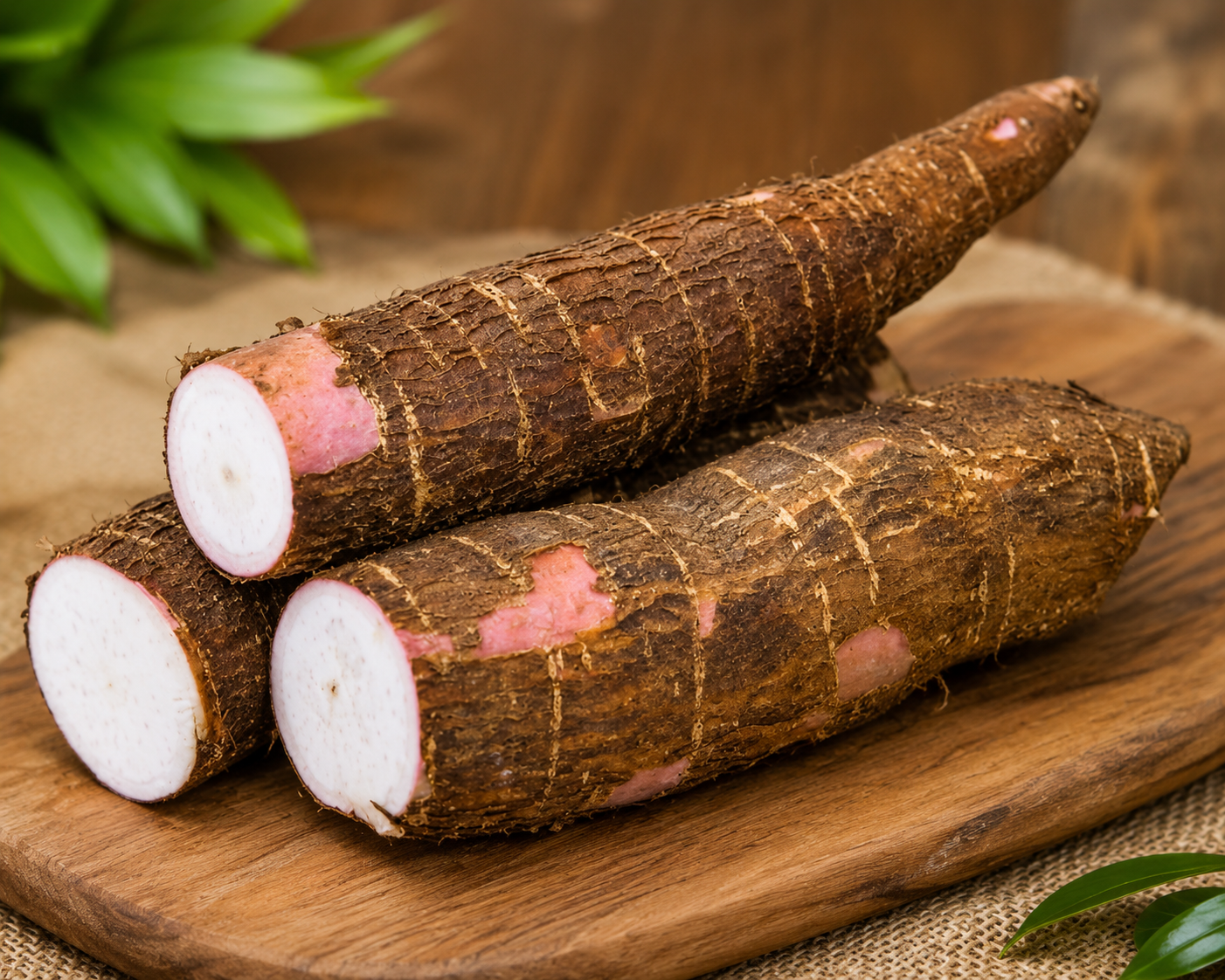
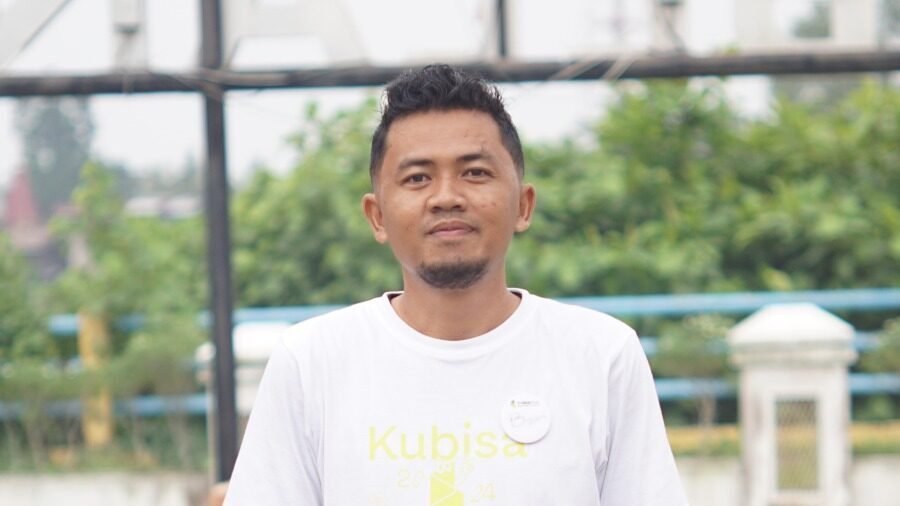
In Siak, Riau, Indonesia, Wibowo Nugroho, 33, founded Telarasa after struggling to find suitable food for his child, who has sensitivities to gluten and sugar. His personal challenge led him to explore whether a familiar staple—cassava (or manioc in South America) and ubi kayu inMalaysia— could be transformed into healthier food products while creating new opportunities for local farmers and fishers.
His answer is now taking shape through a growing range of products made from Modified Cassava Flour (MOCAF), demonstrating how a humble root crop can support both family wellbeing and rural livelihoods.
The story comes at a time when healthier eating is becoming an increasingly important issue across the region. The Asia-Pacific gluten-free food market is projected to reach US$3.2 billion by 2030, driven by growing awareness of gluten intolerance, food allergies and lifestyle-related health concerns.
Malaysian Experience

Malaysia is experiencing similar trends. According to the National Health and Morbidity Survey 2023, 15.6 per cent of Malaysian adults are living with diabetes, while 54.4 per cent are overweight or obese. Consumers are paying greater attention to ingredients, sugar intake and alternative flours that may better suit individual dietary needs.
Cassava has long been part of Malaysian and Indonesian food culture. During periods of hardship, including the shortages of World War II, it served as an important substitute for rice. Today, researchers and food innovators are revisiting the crop because of its versatility and its potential role in gluten-free products, as well as its naturally occurring resistant starch and prebiotic properties.
Malaysia’s domestic market for products made from Modified Cassava Flour is estimated at RM14.95 million, supported by growing interest in food innovation, food security and small business development.
For Wibowo, however, none of those market trends was the starting point.
“Initially, this was truly for our own family,” he said. “Our child needed safe food, and it turned out many parents nearby shared the same anxiety.”
As he searched for healthier alternatives, he noticed another challenge in his community.
Many households in Siak cultivated cassava in home gardens, often without chemical fertilisers or pesticides. Local estimates suggest that about 90 per cent of the area’s cassava is grown without pesticides. Yet many growers struggled to find buyers, leaving much of the harvest unused.
“The cassava was planted, but eventually left in the garden,” Wibowo recalled. “Residents were confused about where to sell it.”
Recognising an opportunity to solve both problems, he established Telarasa.
Spinoff Products
The enterprise now produces a range of products, including MOCAF flour as a substitute for wheat flour, cassava nuggets, low-sugar cookies and lekit lomek, a speciality product combining cassava flour with lomek fish (Harpodon nehereus). These local brackish-water species have traditionally attracted limited commercial interest because of their high water content.
By creating demand for both cassava and lomek fish, the business is helping generate additional income opportunities for village farmers and fishers.
Today, Telarasa purchases between 200 and 250 kilograms of cassava each month, adjusting production to match market demand while maintaining stable relationships with its suppliers.
The business received further support after joining the Skelas incubation programme through the Siak Sustainable Business Incubation (KUBISA) initiative and the Siak Innovation Challenge.
Over six months, Wibowo received mentoring in food safety, packaging, financial management and marketing, while expanding his network of customers and partners.
One outcome has been collaboration with local healthy-food communities, including Dapur Mempura, which now uses Telarasa’s MOCAF flour to produce Siak’s traditional Bolu Komojo cake.
The incubation programme also strengthened the company’s commitment to reducing waste.
Environmental Support
Cassava peels and cores are composted, young leaves are sold or consumed, older leaves are used as livestock feed, and residual flour is used as chicken feed. The approach keeps more of the crop within the local economy while reducing waste.
Cerli, a representative of Skelas, believes businesses like Telarasa demonstrate that commercial success and environmental responsibility can reinforce one another.
“A business like this shows that economic recovery can go hand in hand with environmental restoration and stronger local communities,” she said.
The business is beginning to see tangible financial progress. Monthly income, previously below one million Indonesian rupiah, has increased to between IDR1.5 million and IDR2 million over the past two months.
While still modest, the improvement reflects growing demand for its products and a more stable market for local cassava growers and fishing communities.
For Wibowo, success is measured by more than sales.
“Our hope is simple,” he said. “We want this business to continue growing, absorb more local cassava and seafood, create jobs, and remain committed to health and the environment. If we can achieve those goals together, then we are moving in the right direction.”
Telarasa remains a small enterprise, but its story illustrates how local innovation can emerge from everyday family needs. In connecting healthier food choices with village agriculture, resource efficiency and community livelihoods, it offers a practical example of how familiar crops such as cassava can contribute to more resilient local food systems.