
What is the risk of flying?

BY SCIENCE BRIDGE ACADEMY During holidays, many of us will take the opportunity to travel somewhere, perhaps overseas. With low cost air-lines abundant, many of us can afford to fly instead of having to drive or take the train. But would it in fact, be safer to do the latter? Since the occurrences of various […]
How do photocopy machines work?

THE technology underpinning this ubiquitous piece of machinery came about 75 years ago, when inventor Chester Carlson used static electricity created with a handkerchief, light and dry powder to make the first copy on Oct 22, 1938. Today, most photocopiers use a technology called xerography, a dry process that uses electrostatic charges on a light-sensitive […]
What is the technology behind freeze dried food

MANY foods are freeze-dried today. The staple of astronauts, soldiers, and hikers, freeze dried foods are considered a good way of storing food (and some make great healthy snacks!). However, it might be surprising to note that the technique of freeze-drying is quite old. Freeze-drying is a three-step process that begins with freezing. Next the […]
Can plants hear themselves when being eaten?

When poultry animals are being slaughtered for food, we assumed that they might cry out in pain. But have you ever wondered about plants, if they would understand the circumstances where they are about to be eaten? The answer from most people is that it is impossible for plants to do so, but research has […]
Why are there different types of calendars?

BY SCIENCE BRIDGE ACADEMY There are many different kind of calendars being actively used around the world and are basically of three types – solar, lunar and lunisolar/solilunar calendars. As the name suggests, a solar calendar is concerned with the Sun, or, more precisely, it is based on the Earth’s rotation around the Sun. Lunar […]
How does addiction work?

The word “addiction” is derived from a Latin term for “enslaved by” or “bound to.” Anyone who has struggled to overcome an addiction understands why. Addiction exerts a long and powerful influence on the brain that manifests in three distinct ways: craving for the object of addiction, loss of control over its use, and continuing […]
Why do elephants have big ears?

During a hot day, we tend to sweat. However, elephants are unable to do so. Ever wondered how do they regulate their body temperature? Elephants are massive animals and they produce a lot of body heat. As they inhabit very hot regions, it is pivotal to have an efficient method to eliminate excess body heat. […]
Who came up with the practice of vaccination?

An English doctor and ‘The father of immunology’, Edward Jenner presented the gift of vaccination to the world. In 1796, he performed his famous experiment on eight year old James Phipps. Jenner extracted pus from a cowpox postulate and inserted it into an incision on the boy’s arm. He was experimenting his theory, speculated from […]
Rahim’s long and winding road to criminology

Dr Mohammad Rahim Kamaluddin says it all for criminology. It is a blend of science and the arts. It is multidisciplinary, involving psychology, forensics, pathology, humanities and the social sciences. In this interview with MAHALETCHUMY ARUJANAN, he takes our readers into the how, and why, and what of criminology and speaks of a fruitful and […]
What are rhinoceros’ horns made up of?
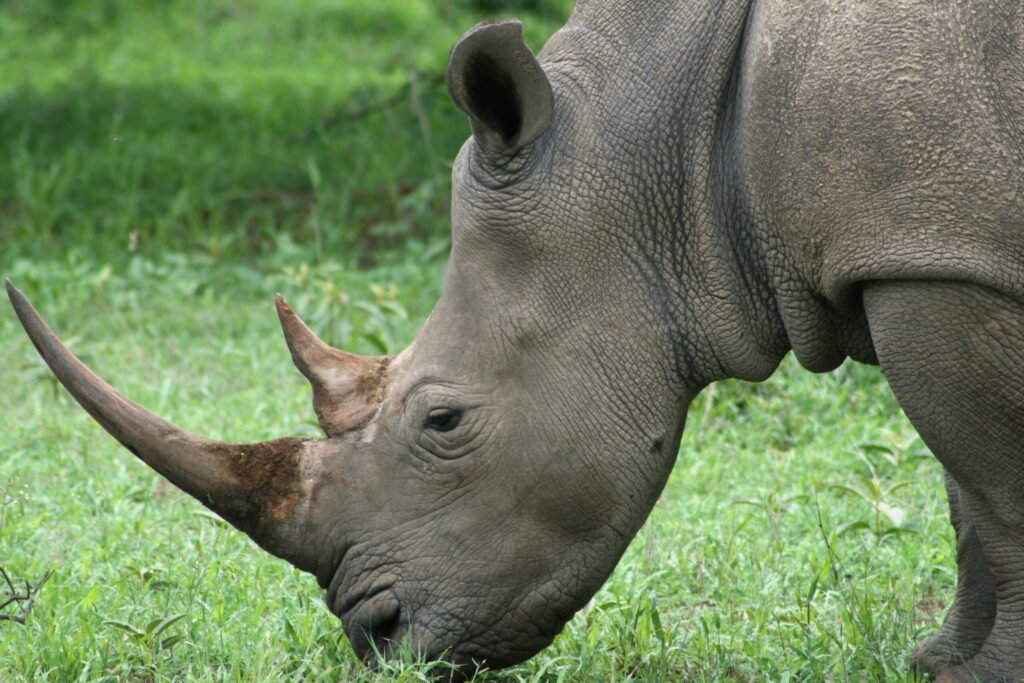
Rhinoceros or rhinos are large, herbivorous mammals that are commonly identified by their horned snouts. The word rhinoceros were derived from Greek words in which ‘rhino’ meant nose and ‘ceros’ meant horn. There are five species and 11 subspecies of rhinos in which some possess two horns while others only have one. Rhinos use their […]